Travel to Marrakech: Complete Guide for First-Time Visitors
Should I Travel to Marrakech?
Marrakech—often called the “Red City” for its ochre-hued buildings—is Morocco’s most visited destination and one of North Africa’s most intense urban experiences. Rooted in traditions dating back to the 12th century, the city is a place where ancient palaces, labyrinthine souks, and historic mosques coexist with luxury hotels, rooftop restaurants, and modern nightlife.
Whether you should travel to Marrakech depends largely on your travel personality, expectations, and tolerance for sensory overload. This is not a passive destination—it demands engagement.
Who Marrakech Is Best For
Marrakech is exceptionally rewarding for travelers who thrive on culture, contrast, and discovery.
Culture and History Enthusiasts
The city’s UNESCO-listed Medina is a living museum, home to architectural masterpieces such as the Ben Youssef Madrasa, Bahia Palace, and Saadian Tombs. History is not confined to monuments—it unfolds daily in the streets.
Food Lovers and Culinary Explorers
From slow-cooked lamb tangia and fragrant tagines to grilled meats and fresh orange juice in Jemaa el-Fnaa, Marrakech is one of Morocco’s most exciting food cities, blending tradition with bold flavors.
Luxury and Wellness Travelers
Often considered the luxury capital of Africa, Marrakech offers world-class palace hotels like La Mamounia and Royal Mansour, alongside intimate riads, private hammams, and high-end desert retreats.
Photographers and Visual Storytellers
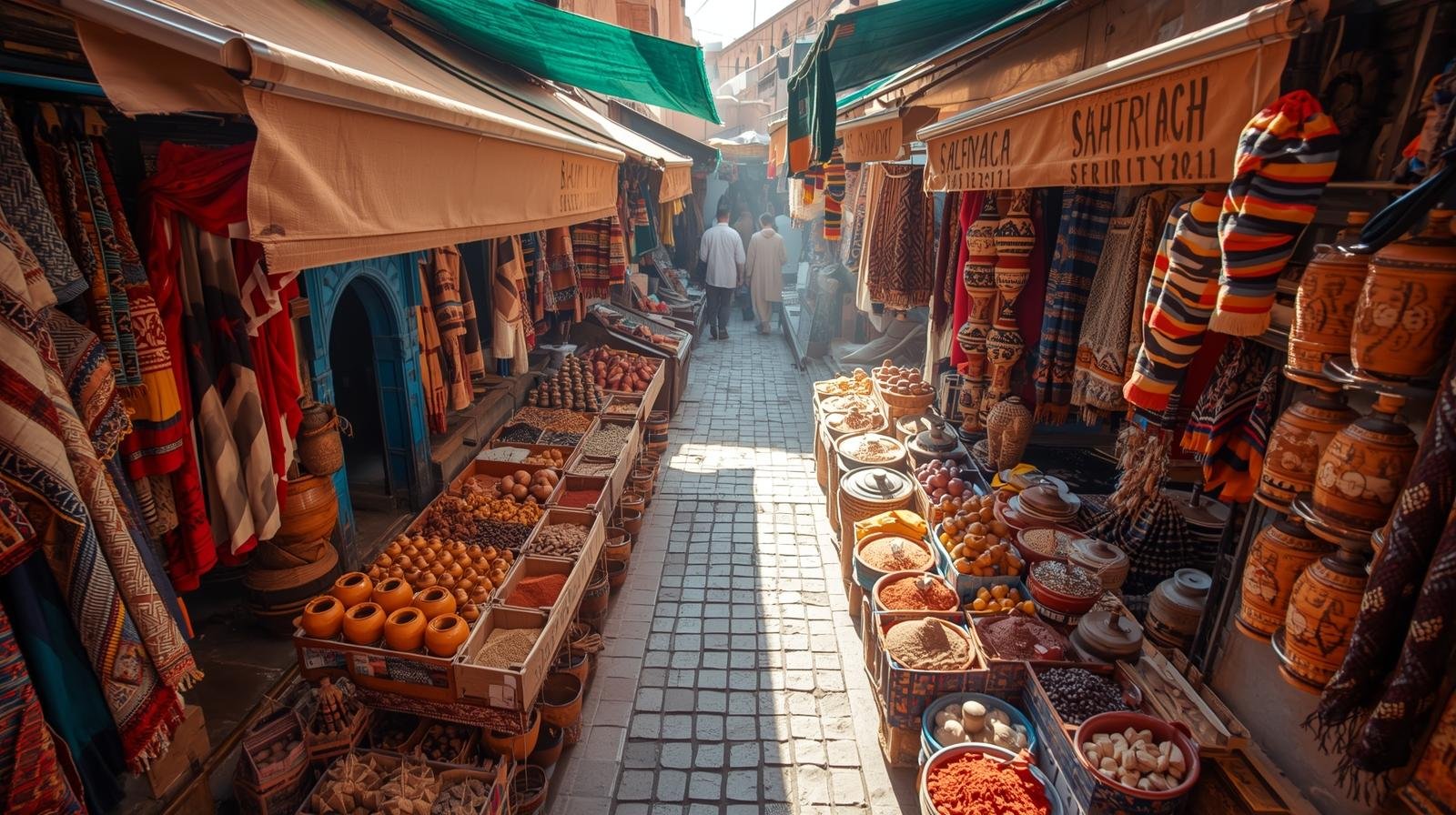
The city is a visual feast—from the cobalt blues of Jardin Majorelle to the textured chaos of the souks and the dramatic light filtering through Medina alleyways.
Adventure and Experience Seekers
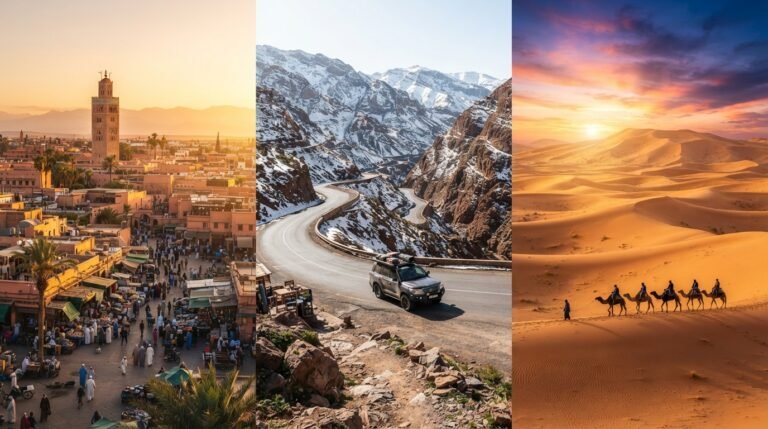
Marrakech is an ideal base for exploration, with easy access to the High Atlas Mountains, the Agafay Desert, and countless day trips offering hiking, quad biking, camel rides, and Berber village visits.
Who May Want to Reconsider
Despite its allure, Marrakech is not for everyone.
Travelers Seeking Total Relaxation
If your idea of a holiday is silence, predictability, and minimal interaction, Marrakech may feel overwhelming. The city is energetic, noisy, and relentlessly alive.
People Sensitive to Sensory Overload
Mopeds weaving through narrow streets, vendors calling out from every direction, and dense crowds—especially in the Medina—can be exhausting for those sensitive to noise and stimulation.
Travelers With Mobility Challenges
The Medina’s uneven cobblestones, steep steps, and narrow passageways make it difficult for wheelchairs, strollers, or anyone with limited mobility.
Those Uncomfortable With Negotiation
Haggling is part of daily life in Marrakech. Prices are rarely fixed in souks and taxis, which can feel draining for travelers used to straightforward transactions.
Expectations vs. Reality When You Travel to Marrakech
Understanding the city’s realities will help prevent disappointment and culture shock.
Weather Extremes
Many expect year-round heat, but Marrakech experiences sharp temperature swings. Winter days (December–January) average around 20°C (68°F), while nights can drop to 5°C (41°F), making unheated riads surprisingly cold.
Navigation Challenges
GPS is unreliable in the Medina’s covered alleys. Expect to get lost—often repeatedly. Landmarks, offline maps, and a sense of humor are more useful than constant phone navigation.
“Helpful” Strangers
While Moroccans are genuinely hospitable, unsolicited street help often comes with a price. Unofficial guides may lead you somewhere only to demand an inflated fee.
Jemaa el-Fnaa Reality Check
The iconic square is unforgettable—but also intense. Expect persistent henna artists, animal handlers demanding payment for photos, and constant attempts to engage your attention.
Authenticity vs. Mass Production
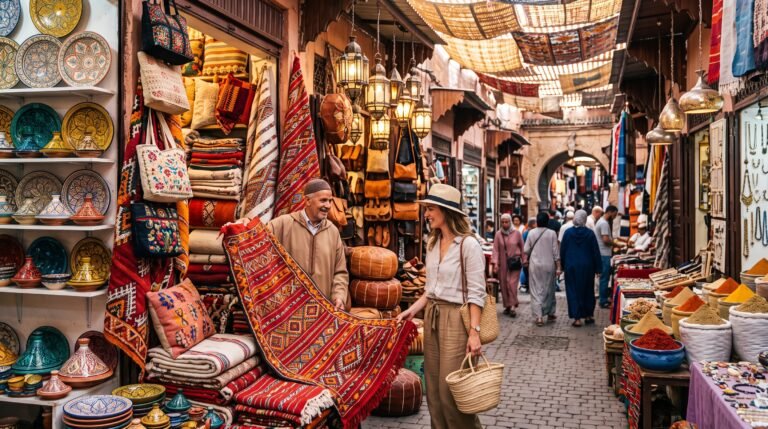
Not everything in the souks is handmade. Many goods are mass-produced. For authentic crafts, venture into specialized souk quarters or visit fixed-price venues like Ensemble Artisanal.
Is It Safe to Travel to Marrakech?
Yes—Marrakech is generally a safe destination for tourists, with low levels of violent crime and a long-standing reliance on tourism as a key part of the local economy. For most visitors, traveling to Marrakech is trouble-free from a security standpoint.
That said, Marrakech is a busy, high-energy city, and the main risks travelers encounter are petty theft, pickpocketing, and well-practiced tourist scams, particularly in crowded areas such as the Medina and Jemaa el-Fnaa. Understanding these risks—and how to avoid them—goes a long way toward ensuring a smooth and enjoyable visit.
Is It Safe to Travel to Marrakech Right Now?
Yes. Marrakech remains a stable and safe destination in 2025 and 2026.
The Moroccan government places strong emphasis on protecting tourists, which is reflected in the presence of the Brigade Touristique (Tourist Police). These officers often patrol major attractions discreetly in plain clothes and respond quickly to incidents involving visitors.
Key current considerations include:
- Official Travel Advisories: Governments such as the UK and United States classify travel to Morocco as “Exercise Increased Caution” (Level 2)—a rating comparable to many popular European destinations and largely tied to global terrorism concerns rather than local instability.
- Major Events and Crowd Management: Marrakech is scheduled to host matches during the Africa Cup of Nations (AFCON) between December 2025 and January 2026. Travelers can expect enhanced security, visible police presence, and larger crowds during this period.
- Post-Earthquake Recovery: While Marrakech has largely recovered from the 2023 earthquake, some reconstruction continues in the High Atlas Mountains and parts of the historic Medina.
- Seasonal Weather Risks: In winter, heavy rain or snow in the Atlas Mountains may lead to temporary road closures or flooding, particularly affecting day trips and desert routes.
Is It Safe to Travel to Marrakech from the UK?
Yes. Travel to Marrakech from the UK is considered safe, and the UK Foreign, Commonwealth & Development Office (FCDO) currently places no restrictions on visiting the city.
- Visa and Entry Requirements: British passport holders can enter Morocco visa-free for up to 90 days for tourism. Passports should be valid for at least three to six months beyond the date of entry.
- Flight Access: Marrakech is easily reached via direct flights of approximately three hours from major UK airports, including London Gatwick, Manchester, and Birmingham.
- Consular Support: UK travelers should monitor the FCDO website for updates and can access assistance through the British Consulate in Marrakech if needed.
Common Safety Tips for Tourists
Scams to Be Aware Of
Financial scams are the most frequent issue travelers face, particularly in high-traffic tourist zones.
- The “Closed Road” Trick: Someone claims a street is closed for prayer or an event and offers to guide you—only to demand payment or steer you toward a commission-based shop.
- The Henna Grab: In Jemaa el-Fnaa, women may seize your hand and begin a “free” henna design, then aggressively demand payment.
- Animal Photo Pressure: Snake charmers and monkey handlers will insist on high fees unless you negotiate a price before taking photos.
- Menu Switching: Some tourist restaurants may display low prices but present a much higher bill afterward.
Areas Requiring Extra Caution
- The Medina After Dark: While generally safe, the Medina’s narrow alleys can become poorly lit and quiet after 10 p.m. Stick to main routes or take a taxi directly to your riad.
- Jemaa el-Fnaa Crowds: One of Africa’s busiest squares, it is a hotspot for pickpockets. Use zipped bags and keep valuables in front-facing compartments.
- Peripheral Suburbs at Night: Areas such as Al-Azzouzia are best avoided late at night unless you know the neighborhood well.
Health and Transport Safety
- Water Safety: Avoid drinking tap water or using ice. Use sealed bottled water or a filter bottle—even for brushing teeth.
- Food Hygiene: Eat food that is hot, freshly cooked, and popular with locals. High turnover equals lower risk.
- Taxi Use: Use Petit Taxis for city travel and ensure the meter (compteur) is switched on before starting the journey.
- Road Awareness: Traffic can be chaotic. Mopeds frequently weave through pedestrians, so cross streets slowly and attentively.
Visiting Marrakech as a Woman
Traveling to Marrakech as a woman can be deeply rewarding, but it does require cultural awareness and confident navigation. The city is generally safe, and violent crime against tourists is rare. However, female travelers should expect verbal harassment, persistent attention, and unsolicited comments, particularly in busy tourist areas.
Understanding local norms, dressing thoughtfully, and moving with confidence can dramatically improve your experience when you travel to Marrakech.
Can Ladies Wear Shorts in Marrakech?
Dress Code Explained
There is no official or legally enforced dress code for tourists in Marrakech. That said, Morocco is a predominantly Muslim country where modesty is the social standard, especially in public spaces.
A practical rule of thumb for women is to keep shoulders, cleavage, and knees covered when walking around the city. While wearing shorts is not illegal, very short or revealing styles—such as hot pants or tight, high-cut shorts—are strongly discouraged.
If you choose to wear shorts, knee-length or relaxed, mid-length styles are far more appropriate and generally attract less attention.
Cultural Respect vs. Personal Comfort
Balancing comfort with cultural sensitivity is key.
- Reducing Harassment: Dressing modestly is one of the most effective ways to minimize catcalling and unwanted attention. Revealing clothing can unintentionally invite scrutiny in conservative environments.
- Heat Management: Counterintuitively, loose, breathable fabrics like linen and cotton are often cooler and more comfortable in Marrakech’s intense heat than tight or minimal clothing.
- Site Access: Modest attire is required for entry into many historical and religious sites, including certain mosques and mausoleums.
- The Essential Scarf: Carrying a lightweight scarf is highly recommended. It provides sun protection, instant modesty when needed, and flexibility when visiting culturally sensitive locations.
Solo Female Travel Tips for Marrakech
Marrakech is manageable for solo female travelers, but it rewards those who approach it with self-assurance, preparation, and situational awareness.
Where to Stay
- The Medina (Old City): Ideal for travelers who want to be close to Jemaa el-Fnaa and major attractions. Solo women should choose well-reviewed riads with 24-hour staff and arrange an airport transfer to avoid navigating the Medina with luggage.
- Gueliz and Hivernage (New Town): These districts are more modern, open, and relaxed, making them comfortable for solo women who prefer dining or walking alone in the evenings.
- Hostels: A good option for travelers seeking built-in social connections and safety in numbers when exploring markets and attractions.
- Trusted Options: Frequently recommended stays among solo female travelers include The Central House, Indian Palace, and Riad Nirvana.
How to Move Around Safely
- Walk With Purpose: Move confidently and avoid lingering on street corners or staring at your phone. Appearing unsure makes you more visible to scammers and touts.
- Set Firm Boundaries: Avoid prolonged eye contact with street sellers. A calm but firm “Non, merci” or “La shukran” (No, thank you) is usually sufficient. If someone becomes aggressive, saying “Hshouma!” (Shame!) loudly can draw attention and deter harassment.
- Choose Who You Ask for Help: If you need directions, ask women, families, or shopkeepers tied to a physical storefront, rather than people offering unsolicited assistance.
- Night Safety: Avoid walking alone in the Medina after 10 p.m., when alleyways become dark and quiet. Instead, have your accommodation arrange a licensed petit taxi and confirm the meter (compteur) is used.
- Practical Gear: Use a zipped crossbody bag worn in front, and consider wearing headphones (even without music) to signal that you are unavailable for conversation.
Do’s and Don’ts in Marrakech
When you travel to Marrakech, understanding local etiquette is not about rigid rules—it is about recognizing the unspoken social contracts that govern daily life in the Medina, markets, and neighborhoods. Although the city is more liberal than many parts of Morocco, it remains a predominantly Muslim society where modesty, politeness, and respect directly influence how you are treated.
Mastering these cultural cues will make your experience smoother, more respectful, and often more affordable.
Cultural Etiquette
- Use Your Right Hand: Always use your right hand when eating, greeting, accepting items, or handing over money. The left hand is traditionally associated with hygiene and is considered inappropriate for social exchanges.
- Greetings Matter: Begin interactions with “Salam Alaikum” (Peace be upon you). If a handshake is not initiated, a nod accompanied by placing your right hand over your heart is a respectful alternative.
- Public Behavior: Avoid public displays of affection, including kissing or prolonged hugging. Such behavior is considered private and may attract negative attention.
- Dress Modestly: While there is no enforced dress code, covering shoulders, cleavage, and knees signals cultural awareness and significantly reduces unwanted stares or comments.
- Respect Religious Spaces: Most mosques, including the Koutoubia Mosque, are closed to non-Muslims. Near prayer areas, speak quietly and avoid crossing directly in front of worshippers.
- Visiting Homes: If invited into a local home, remove your shoes and bring a small gift such as pastries, fruit, or tea—it is a gesture that carries genuine meaning.
Photography Rules
- Always Ask First: Seek clear permission before photographing people, especially women, children, and the elderly. A simple “Mumkin sura?” (May I take a photo?) is polite and appreciated.
- Jemaa el-Fnaa Reality: Performers, snake charmers, and water sellers expect payment for photos. Even distant shots often result in immediate fee demands.
- Restricted Subjects: Never photograph military zones, police, government buildings, or embassies. Violations can lead to questioning or equipment confiscation.
- Drone Ban: Recreational drones are strictly prohibited in Morocco and are routinely confiscated at customs.
Shopping & Bargaining Tips
- Understand the Ritual: Bargaining is a social exchange, not a confrontation. Start at one-third to one-half of the asking price and work toward a mutual compromise.
- Control the Narrative: Showing excessive enthusiasm weakens your position. Maintain a calm, casual demeanor even if you love the item.
- Set a Price Baseline: Visit the Ensemble Artisanal (Avenue Mohammed V) first. Its fixed pricing helps you recognize fair value and authentic craftsmanship.
- Check Quality: Learn basic authenticity tests—such as the wool burn test for rugs (real wool smells like burnt hair; synthetics melt and smell like plastic).
- Master the Walk-Away: If a price feels unreasonable, politely decline and leave. Vendors frequently respond with their true lowest offer once you disengage.
Final Perspective
Etiquette in Marrakech is best understood as a carefully choreographed cultural dance. Learn the rhythm—lead with respect, dress with intention, and engage with patience—and you’ll be welcomed into the flow. Ignore the steps, and the experience becomes more expensive, more stressful, and less rewarding.
What Do I Need to Know Before Going to Marrakech?
Preparing properly before you travel to Marrakech will save you time, money, and unnecessary stress. The city operates under specific entry rules, relies heavily on cash transactions, and functions within a multilingual cultural framework that may differ significantly from Western norms.
Understanding these essentials before arrival ensures a smoother and more confident experience.
Visa and Passport Requirements
For most travelers, entering Morocco is straightforward—but documentation must be exact.
- Visa-Free Entry: Citizens of the United States, United Kingdom, European Union, Canada, Australia, and New Zealand can enter Morocco without a visa for up to 90 days for tourism.
- Passport Validity: Your passport should be valid for at least six months beyond your departure date. While some guidance mentions three months, six months is the safest standard and avoids complications at border control.
- Blank Pages: Ensure you have at least one to two blank pages available for entry and exit stamps.
- Entry Stamp: Always confirm that your passport is stamped on arrival. Missing entry stamps can cause serious issues when exiting the country.
- Extending Your Stay: If you plan to stay longer than 90 days, apply for an extension at a local police station at least 15 days before your permitted stay expires.
Currency and Payments
Morocco operates largely as a cash-based economy, particularly outside luxury hotels and major restaurants.
- Moroccan Dirham (MAD): The dirham is a closed currency, meaning it cannot be freely exchanged outside Morocco. It is illegal to import or export more than 2,000 MAD.
- Cash Is Essential: Credit cards are accepted at higher-end establishments, often with a 3–5% surcharge, but cash is mandatory in souks, taxis, street food stalls, and smaller cafés.
- ATMs and Exchange: ATMs are widespread in Marrakech and generally provide competitive exchange rates. Currency exchange is also available at airports, banks, and licensed exchange offices.
- Carry Small Denominations: Keep small notes and coins (1, 2, 5, and 10 MAD). Many vendors and taxi drivers claim not to have change for large bills.
- Save Your Receipts: Retain currency exchange receipts if you plan to convert leftover dirhams back into foreign currency before departure.
Language Basics
Marrakech is linguistically diverse, with Moroccan Arabic (Darija) and French dominating daily life.
- Darija: The primary spoken language. Even a few words go a long way in daily interactions and bargaining.
- French and English: French is widely used in business and government. English is common in tourist areas, though less prevalent in rural or residential neighborhoods.
- Useful Phrases:
- Salam Alaikum: Hello / Peace be upon you
- Shukran: Thank you
- Afak: Please
- La / La Shukran: No / No thank you
- Bshhal?: How much?
- Mashi Mushkil: No problem
Internet Access and SIM Cards
Reliable internet access makes navigating Marrakech—especially the Medina—far easier.
- Local SIM Cards: Buying a SIM card at the airport from providers like Maroc Telecom, Orange, or Inwi is highly recommended. Plans with around 20GB of data typically cost about 200 MAD (€20).
- eSIM Alternatives: Services such as Airalo, Holafly, or Sim Local allow you to activate data before arrival, though they often provide less data at a higher price.
- Wi-Fi Availability: Most riads, hotels, and cafés offer free Wi-Fi, but speeds can be inconsistent, particularly inside thick-walled traditional buildings.
- Offline Navigation: Download offline maps (Google Maps or Maps.me) to avoid getting lost when GPS signals weaken in covered souks or narrow alleyways.
Travel to Marrakech from the UK
Traveling to Marrakech from the United Kingdom is simple, fast, and affordable, which is why the city remains one of the most popular winter sun destinations for British travelers.
With frequent direct flights, short travel times, and minimal entry requirements, Marrakech is an easy escape from the UK year-round.
Flights and Flight Duration
A direct flight from the UK to Marrakech takes approximately three hours, making it one of the quickest long-haul-style escapes available to British travelers.
- Full-service airlines: British Airways, TUI Airways
- Low-cost carriers: Several budget airlines operate frequent routes, particularly from London
- Typical fares: Return flights from London can sometimes be found for as little as £40, especially outside peak travel periods
UK Departure Airports
While London is the main gateway—especially London Gatwick—Marrakech is also well connected to regional UK airports, allowing travelers to fly directly without changing planes in London.
This broad network makes traveling to Marrakech convenient for passengers across England, Scotland, Wales, and Northern Ireland.
Arrival Airport and Transfers
All international flights land at Marrakech Menara Airport (RAK), located approximately 3 km from the city centre, with typical transfer times of 15–20 minutes depending on traffic.
Getting from the Airport to Your Accommodation
- Pre-booked Transfers (Recommended):
Booking a transfer through your riad or hotel is the easiest option, especially if you are staying in the Medina. Drivers often coordinate with porters who guide guests through the car-free, maze-like alleys directly to the riad door—an invaluable service for first-time visitors. - Official Taxis:
Airport Petit Taxis operate on fixed rates:- 70 MAD (daytime) to the Medina
- 105 MAD (night-time)
Drivers may attempt to overcharge tourists. If quoted 200 MAD or more, politely decline, mention the police, or walk toward the main road to find a properly metered taxi.
- Airport Shuttle Bus (L19):
The L19 Express Bus is the best budget option, costing 30 MAD one-way or 50 MAD return. It runs every 20 minutes and stops near Jemaa el-Fnaa, as well as key locations in the New Town.
UK Travel Advice
British citizens should regularly check the UK Foreign, Commonwealth & Development Office (FCDO) website for the latest information on:
- Safety and security updates
- Entry and passport requirements
- Health and insurance guidance
Marrakech Itinerary Ideas
Marrakech is a city of vibrant contrasts—bustling souks, ornate palaces, and serene gardens—making it perfect for both short visits and longer explorations. While a long weekend lets you see the highlights, extra days provide the breathing room to venture into the surrounding mountains and deserts for a more complete Moroccan experience.
8.1 3-Day Marrakech Itinerary
Three days is often considered the ideal timeframe for first-time visitors, offering a balance between seeing the main attractions and enjoying the city without feeling rushed.
- Day 1: Heart of the Medina. Start at the Koutoubia Mosque, Marrakech’s tallest landmark, to orient yourself. Spend the afternoon wandering the souks, particularly Souk Semmarine, and practice your bargaining skills. As evening falls, immerse yourself in the spectacle of Jemaa el-Fnaa, where the square transforms into a lively open-air food market.
- Day 2: Palaces & Gardens. Begin at the Ben Youssef Madrasa to admire intricate Moroccan architecture before the crowds arrive. Continue to the Bahia Palace and Saadian Tombs, then unwind in a peaceful garden. Choose between the hidden Le Jardin Secret in the Medina or the iconic Jardin Majorelle, easily reached by taxi.
- Day 3: Mountain or Desert Escape. Take a day trip to escape the city. Options include Imlil in the High Atlas Mountains for light hiking and a traditional Berber lunch, or the Agafay Desert for camel rides and quad biking.
8.2 5-Day Marrakech Itinerary
A five-day plan allows visitors to combine city exploration with natural adventures and immersive experiences.
- Days 1–2: City Highlights. Follow the 3-day itinerary for Medina landmarks, gardens, and palaces.
- Day 3: Ourika Valley & Waterfalls. Venture to the Ourika Valley, exploring traditional Berber villages and trekking to the Setti Fatma waterfalls. Enjoy lunch by the river, then continue deeper into the mountains to stay overnight in a village such as Imlil.
- Day 4: Berber Culture & Agafay Desert. Start with a Berber cooking class, then journey to the rocky Agafay Desert for a sunset camel trek and a luxury camp dinner under the stars.
- Day 5: Relaxation & Souks. Return to Marrakech for a gentle morning. Indulge in a traditional Moroccan hammam, or explore the Gueliz (New Town) for last-minute souvenirs.
8.3 7-Day Marrakech + Desert Itinerary
For travelers with a full week, a combination of city immersion and a Sahara Desert adventure offers a complete Moroccan experience.
- Days 1–3: Marrakech Immersion. In addition to top sites, explore hidden gems like the Maison de la Photographie and the Mellah (Jewish Quarter). Consider a rooftop dinner at Nomad or DarDar to watch the sunset over the Medina.
- Days 4–6: Sahara Desert Loop (Merzouga). Embark on a 3-day desert tour, crossing the High Atlas Mountains via the scenic Tizi n’Tichka Pass and visiting the UNESCO-listed Aït Benhaddou. Spend the fifth night in a luxury desert camp in the Erg Chebbi dunes, enjoying a sunset camel trek. On Day 6, return toward Marrakech, passing through the dramatic Draa Valley.
- Day 7: Farewell Marrakech. Wrap up with any last must-see sites. Sip a final glass of mint tea on a terrace, reflecting on the city’s vibrant energy and the contrasting tranquility of mountains and dunes.
Analogy: Planning your Marrakech itinerary is like ordering a Moroccan feast. A 3-day trip is the essential harira soup—rich and satisfying. Five days adds the slow-cooked tagine, giving depth and flavor to your experience. A 7-day journey is the full banquet, complete with dessert and mint tea, leaving you with a complete, unforgettable taste of Morocco.
Unique Things to Do in Marrakech
While Marrakech is famous for its bustling souks, majestic palaces, and lively squares, exploring beyond the typical tourist spots reveals a city rich in hidden sanctuaries, modern creativity, and centuries-old traditions. Venturing off the beaten path allows travelers to experience a deeper connection to both the history and contemporary culture of the Red City.
Beyond the Medina
Stepping outside the ancient walls reveals Marrakech’s modern and natural side:
- Sidi Ghanem Industrial District: About 20 minutes from the Medina, this hip quarter is a creative hub for emerging designers, featuring boutiques and showrooms with contemporary Moroccan fashion, ceramics, and tableware.
- Cactus Thiemann Farm: Africa’s largest cactus farm spans 16 hectares and showcases over 150 species, offering a serene botanical escape north of the city.
- ANIMA Gardens: Located 45 minutes south of Marrakech, this “landscaped art gallery” blends exotic plants with sculptures by international artists, set against the stunning backdrop of the Atlas Mountains.
- The Palmeraie: This sprawling palm oasis provides a tranquil escape, perfect for camel rides, quad biking, or quiet walks among the greenery.
- Gueliz & Jardin Majorelle: Marrakech’s modern quarter is home to the iconic Jardin Majorelle and the Musée Yves Saint Laurent, which displays 7,000 haute couture pieces and 30,000 accessories, celebrating fashion and design history.
Local Experiences
Immersing yourself in local life offers a window into Marrakech’s “Bahja” — the joy of living:
- The Hammam Ritual: A visit to a traditional bathhouse for a steam, black soap scrub, and massage is both a cultural and rejuvenating experience.
- Eating from a Ferrane: Discover authentic flavors by visiting an underground earthen oven (ferrane) where locals prepare bread and lamb tangia, a slow-cooked signature stew.
- Storytelling at Café Clock: This cultural hub hosts storytelling nights, live music, and serves the famous camel burger—a perfect blend of local tradition and modern flair.
- Artisan Workshops: Learn Moroccan crafts firsthand, from Arabic calligraphy to rug weaving and ceramics, connecting with skilled local artisans in their studios.
- Feeding Medina Cats: Marrakech is home to countless friendly felines, and joining locals in feeding them is a small but memorable way to engage with the city’s everyday life.
Hidden Gems
These lesser-known treasures offer historical depth and serene beauty tucked away from the crowds:
- Le Jardin Secret: A restored 19th-century palace in the Medina, featuring an Islamic Garden and Exotic Garden, perfect for quiet reflection.
- Dar El Bacha Coffee House: Set inside an opulent palace museum, it serves some of Marrakech’s finest coffee alongside over 200 curated varieties.
- Maison de la Photographie: This museum displays vintage Moroccan photography from 1870–1950, complemented by a rooftop café with panoramic views.
- Almoravid Qubba: Near the Museum of Marrakech, this small monument is the last surviving 12th-century structure in the city, notable for its intricate muqarnas decoration.
- Musée Boucharouite: Housed in an 18th-century riad, this gallery highlights rag rug artistry, transforming recycled cloth into vibrant contemporary designs.
- The Jewish Quarter (Mellah): Explore broader streets, unique spice markets, and the historic Lazama Synagogue, dating back to the 15th century.
Best Day Trips from Marrakech
Marrakech’s central location makes it the perfect hub for exploring Morocco’s diverse landscapes, from the towering High Atlas Mountains to the breezy Atlantic coast and the timeless desert fortresses. While the city itself is bustling and high-energy, these day trips provide the perfect escape into rural Berber culture, natural wonders, and scenic tranquility.
Atlas Mountains
Just 65–90 kilometers south of Marrakech, the High Atlas range is North Africa’s tallest mountain chain and a gateway for trekking, cultural immersion, and breathtaking scenery.
- Imlil Village: Nestled at the base of Mount Toubkal (4,167m), Africa’s highest peak, Imlil is the starting point for guided hikes through walnut groves, Berber villages, and hidden waterfalls. The drive from Marrakech takes about 1.5–2 hours.
- Ourika Valley: Located 45–60 minutes from Marrakech, this lush valley is known for the seven waterfalls of Setti Fatma. Many restaurants place tables directly in shallow streams for a unique riverside dining experience.
- Berber Culture: Most tours stop at a women’s argan oil cooperative, where visitors can learn traditional extraction techniques and enjoy a home-cooked tagine or Moroccan breakfast with a local family.
- Seasonal Note: In winter, snow-capped peaks allow for visits to Oukaïmeden, Africa’s highest ski resort, just 75 km from the city.
Essaouira
Known as the “Windy City of Africa,” Essaouira offers a relaxed coastal alternative to Marrakech’s intensity.
- Getting There: The drive takes 2.5–3 hours, passing iconic Argan trees often topped by goats along the way.
- The Medina: A UNESCO World Heritage site, Essaouira’s medina is easier to navigate than Marrakech’s, with whitewashed buildings and bright blue shutters.
- Highlights: Walk the 16th-century ramparts (used in Game of Thrones), watch local fishermen at the port, and feast on freshly grilled seafood straight from the stalls.
- Activities: Thanks to strong winds, the beach is perfect for kitesurfing and windsurfing, while horseback and camel rides provide scenic coastal views.
Ouzoud Waterfalls
Roughly 160 kilometers northeast of Marrakech, the Ouzoud Falls plunge 110 meters into the El-Abid River gorge, offering a spectacular natural escape.
- Wildlife: Spot Barbary macaques along the cliffs, habituated to visitors yet still playful and fascinating.
- Activities: Hike down to the waterfall’s base and enjoy a traditional boat ride under the spray, an unforgettable sensory experience.
- Travel Tips: The drive is about 2.5–3 hours each way, and visiting on weekdays helps avoid crowds from local families on weekends.
Ait Ben Haddou
Known as the “Door of the Desert,” Ait Ben Haddou is a UNESCO-listed ksar—an ancient clay fortress along the old caravan route between Marrakech and the Sahara.
- The Tizi n’Tichka Pass: Reach the site by crossing the High Atlas via this dramatic pass (2,260 meters), offering panoramic mountain vistas and breathtaking hairpin turns.
- Cinematic Legacy: The ksar has been a backdrop for films such as Gladiator, The Mummy, and Game of Thrones.
- Exploration: Wander the narrow alleys uphill to the ancient granary, enjoying expansive views of the surrounding desert plateaus.
- Travel Tip: This is a long day trip (3.5 hours each way), so leaving early (7–8 AM) ensures enough time to visit the ksar and the nearby Ouarzazate film studios.
Travel to Marrakech with Kids
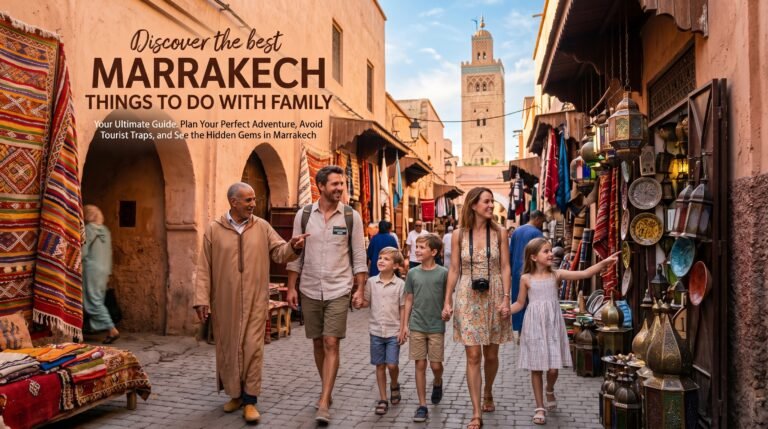
Traveling to Marrakech with children can be a magical and enriching experience, as Moroccan culture is deeply family-oriented. Children are often welcomed with warmth, and locals frequently go out of their way to accommodate young visitors. However, the city’s bustling streets, vibrant souks, and sensory overload require strategic planning for comfort and safety.
Family-Friendly Riads
While many traditional riads restrict children under 12 due to the noise in central courtyards, several are specifically designed for families:
- Riad Africa: Located in a quiet corner of the Medina, this riad offers family rooms, air conditioning, and a small pool.
- Riad Les Hibiscus: Medina-based and well-known for being welcoming to young guests.
- Dar Zamzam: A luxury boutique riad in the northern Medina serving traditional Moroccan breakfasts children often enjoy, such as yogurt with nuts and cinnamon.
- Le Petit Yasmine: Can be rented entirely (sleeps 6), featuring a heated pool and movie projector for family entertainment.
- Larger Hotels and Villas: For families seeking extra space and facilities such as large pools, waterslides, and shuttle service, areas like Palmeraie or Hivernage (e.g., Mirage d’Atlas) are ideal.
Activities for Children
Marrakech blends history, culture, and interactive fun, making it engaging for all ages:
- Oasiria Water Park: Just a 10-minute drive from the Medina, this 10-hectare park has a wave pool, lazy river, and a pirate ship play area for younger children.
- Jardin Majorelle: Kids enjoy spotting turtles, koi fish, and roaming cats in this serene garden.
- Feeding Medina Cats: A simple, fun activity—purchase inexpensive cat food and help feed the city’s friendly felines.
- Agafay Desert Excursions: Children can enjoy short camel rides while wearing traditional headscarves, followed by dinner under the stars.
- El Harti Gardens: A modern park in Gueliz featuring playgrounds alongside cactus gardens.
- Interactive Learning Workshops: Opportunities for bread-making, rug weaving, or safe henna art at the Henna Art Cafe.
Safety and Comfort Tips
Navigation and Transport
- Baby Carriers vs. Strollers: Narrow Medina alleys and cobblestones make standard strollers impractical. Use a structured back carrier or baby carrier, and if a stroller is necessary, choose a lightweight, collapsible travel model for flatter areas like Gueliz or Koutoubia Gardens.
- The “Moped Shield” Strategy: Keep children on the far right side of the path to avoid mopeds and bicycles weaving through crowds.
- Taxi Safety: Most taxis lack rear seat belts or child seats; pre-book private transfers if these are required.
Health and Hygiene
- Water: Stick to sealed bottled or filtered water, even for brushing teeth.
- Food Safety: Choose busy stalls with hot, freshly cooked food, and avoid pre-cut fruit from street vendors.
- Animal Awareness: Warn children not to touch stray animals, and avoid handlers in Jemaa el-Fnaa offering monkeys or snakes for photos.
Timing
- Beat the Rush: Start activities before 10 AM when streets are cooler, less crowded, and safer for children.
Best Time to Travel to Marrakech
Marrakech is a year-round destination, though the most pleasant months for first-time visitors are spring (March to May) and autumn (September to November), when temperatures are mild and comfortable. Summer (June to August) can be extremely hot, often exceeding 40°C (104°F), while winter and shoulder seasons offer cooler, more manageable weather for sightseeing and outdoor activities.
12.1 Travel to Marrakech in November
November is a prime shoulder-season month, bridging the end of autumn and the start of winter.
- Weather: Daytime temperatures are pleasant (20°C–25°C / 68°F–77°F), while nights drop to 8°C–12°C (46°F–54°F). Rainfall is minimal, averaging just six days.
- Crowds and Prices: Tourist numbers decline after the peak autumn months, resulting in better hotel availability and more reasonable rates.
- Festivals: November hosts the Marrakech International Film Festival, with star-studded screenings at Jemaa el-Fnaa. Independence Day is celebrated on November 18, offering a glimpse into local patriotism and festivities.
12.2 Travel to Marrakech in December
December brings a festive atmosphere, blending modern holiday lights in Gueliz with traditional Medina celebrations.
- Weather: Days are crisp (15°C–20°C / 59°F–68°F) and nights cooler (5°C–10°C / 41°F–50°F). Showers are short and intermittent.
- Crowds and Prices: This is a peak season for European tourists, so flights, tours, and riads often come at premium prices.
- Events: In addition to Western-style Christmas festivities, late December 2025 will see eight Africa Cup of Nations (AFCON) matches in Marrakech, adding extra energy and excitement to the city.
12.3 Travel to Marrakech in January
January is Marrakech’s coldest month, but it remains popular for travelers seeking mild winter sun.
- Weather: Daytime highs average 18°C–19°C (64°F–66°F), while nights can drop to 6°C (43°F). Clear skies provide stunning views of the snow-capped Atlas Mountains.
- Crowds and Prices: After New Year’s, tourist numbers decrease, making it ideal for peaceful exploration and photography at major sites.
- Festivals: January features Western New Year on January 1, Amazigh (Berber) New Year (Yennayer) in mid-January, and the Marrakech Marathon on the last weekend of the month.
12.4 Travel to Marrakech in February
February is a hidden gem for winter visitors, offering a quieter experience of the city.
- Weather: Mild daytime temperatures (12°C–18°C / 54°F–64°F) and chilly nights (~5°C / 41°F).
- Crowds and Prices: As part of the winter low season, boutique riads, guided tours, and spas are often more affordable and less crowded.
- Nature and Festivals: February is peak citrus season, and almond trees begin to bloom in surrounding valleys. In 2026, Ramadan is expected to start around February 17, quieting daytime activity and creating a reflective, local atmosphere.
12.5 Travel to Marrakech in March
March signals the start of spring, offering vibrant landscapes as the Atlas snow begins to melt.
- Weather: Daytime highs reach 20°C–24°C (68°F–72°F). March sees occasional showers, often adding fresh scents to the Medina.
- Crowds and Prices: Generally more affordable than the peak April–May season, though Easter can temporarily increase visitor numbers.
- Festivals: The International Nomads Festival occurs in mid-March, showcasing traditional music and crafts. In 2026, Ramadan concludes around March 19, leading into Eid celebrations, offering an immersive cultural experience.
Final Tips for Travel to Marrakech
Successfully navigating Marrakech requires a blend of preparation, cultural awareness, and adaptability. By respecting local traditions and avoiding common pitfalls, travelers can enjoy a smooth, immersive, and memorable experience in the Red City.
Common Mistakes to Avoid
- Drinking Tap Water: Always use sealed bottled water or a reliable filter, even for brushing teeth, to prevent stomach issues.
- Accepting “Free” Help: Unsolicited offers—like a “free” henna design, appetizer, or directions—often end with aggressive demands for payment. Politely decline unless you initiate the interaction.
- Falling for the “Closed Road” Trick: Street vendors may claim a path is “closed” to redirect you into shops or tanneries that pay them commission. Stay aware and confirm your route.
- Using Large Bills: Many vendors and taxis claim they cannot provide change for large notes. Break bills at a riad or supermarket and carry coins for tips or small purchases.
- Impractical Gear: Standard strollers are unsuitable for cobblestone alleys and busy medina streets; a baby carrier or back carrier is safer and more practical.
How to Get the Best Experience
- Stay in a Riad: Book a riad inside the Medina to experience the city’s charm, enjoy peaceful courtyards, and retreat from busy streets.
- Learn Key Phrases: Using Moroccan Arabic (Darija), such as “Salam Alaikum” (Hello) and “Shukran” (Thank you), earns respect and fosters warmer interactions.
- Establish a Bargaining Baseline: Visit the Ensemble Artisanal on Avenue Mohammed V to understand fair prices before haggling in the souks.
- Haggle with Grace: Treat bargaining as a friendly ritual, not a confrontation. Start at about one-third of the asking price, stay light-hearted, and be ready to walk away.
- Prepare for “Offline” Life: Download offline maps (e.g., Maps.me) before entering the Medina, where mobile signals may be weak.
When to Book Tours & Riads
- Accommodations: Popular riads have fewer than ten rooms and book quickly. Reserve at least two months in advance, especially during peak seasons.
- Peak Travel Periods: For Christmas, New Year, or the 2025/2026 AFCON matches, book flights, tours, and hotels months ahead to avoid higher costs and limited availability.
- Major Landmarks: Pre-book tickets for Jardin Majorelle, the YSL Museum, and the Berber Museum to secure a specific time slot; walk-in tickets are often unavailable.
- Optimal Timing: Visit sites like Ben Youssef Madrasa or the Saadian Tombs right at opening (8:30–9:00 AM) to enjoy cooler temperatures and smaller crowds.
Analogy: Navigating Marrakech is like attending a high-stakes masquerade ball. Learn the traditional steps—the etiquette of the right hand, the art of polite refusal—and you glide through the room as a guest of honor. Arrive unprepared, and you risk getting stepped on by the dancers and overpaying for a mask that doesn’t fit.
9 Comments